


This article is more than 1 year old
Ageia preps PCI Express games physics card
PhysX SDK updated for Linux

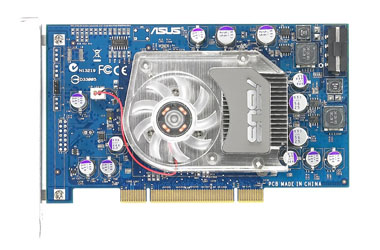
Physics processor chip specialist Ageia is about to launch a PCI Express version of its PhysX card, the company told Reg Hardware today. Considering that Ageia had PCI-E and PCI production samples in March, it's a wonder it has taken them this long to announce product.
Ageia admitted there won't be any performance benefits from the move to PCIe x1 over PCI, and it said that it's not even close to using up the bandwidth that the PCI bus offers. The new cards will be announced on 12 October and should be available shortly thereafter.
Also announced today is a new version of the Ageia PhysX SDK - version 2.6 to be more precise - which adds Windows Vista 64-bit and Linux support, along with a set of new deformable objects and self-collision prevention capabilities. Expect a set of new drivers based on the new SDK in the near future.
The Linux support in the SDK should make it easier for Mac versions of games to support PhysX, although there are already third-parties working on this. Age of Empires is one of the first Mac games that support the PhysX API, although only in software so far.
Ageia is also going to announce a new benchmark for its physics cards, called Realitymark. This will be available shortly and will give anyone who owns a PhsysX card a good idea how much it improves your system performance and image quality when you're running PhysX-enabled games. Realitymark is based on CellFactor: Combat Training rather than being a synthetic benchmark. ®
Related reviews
Ageia PhysX physics accelerator chip
 Biting the hand that feeds IT

